KnowledgeHub
Home
Learnings
Get Started
Learning Modules
Click a module to expand contents
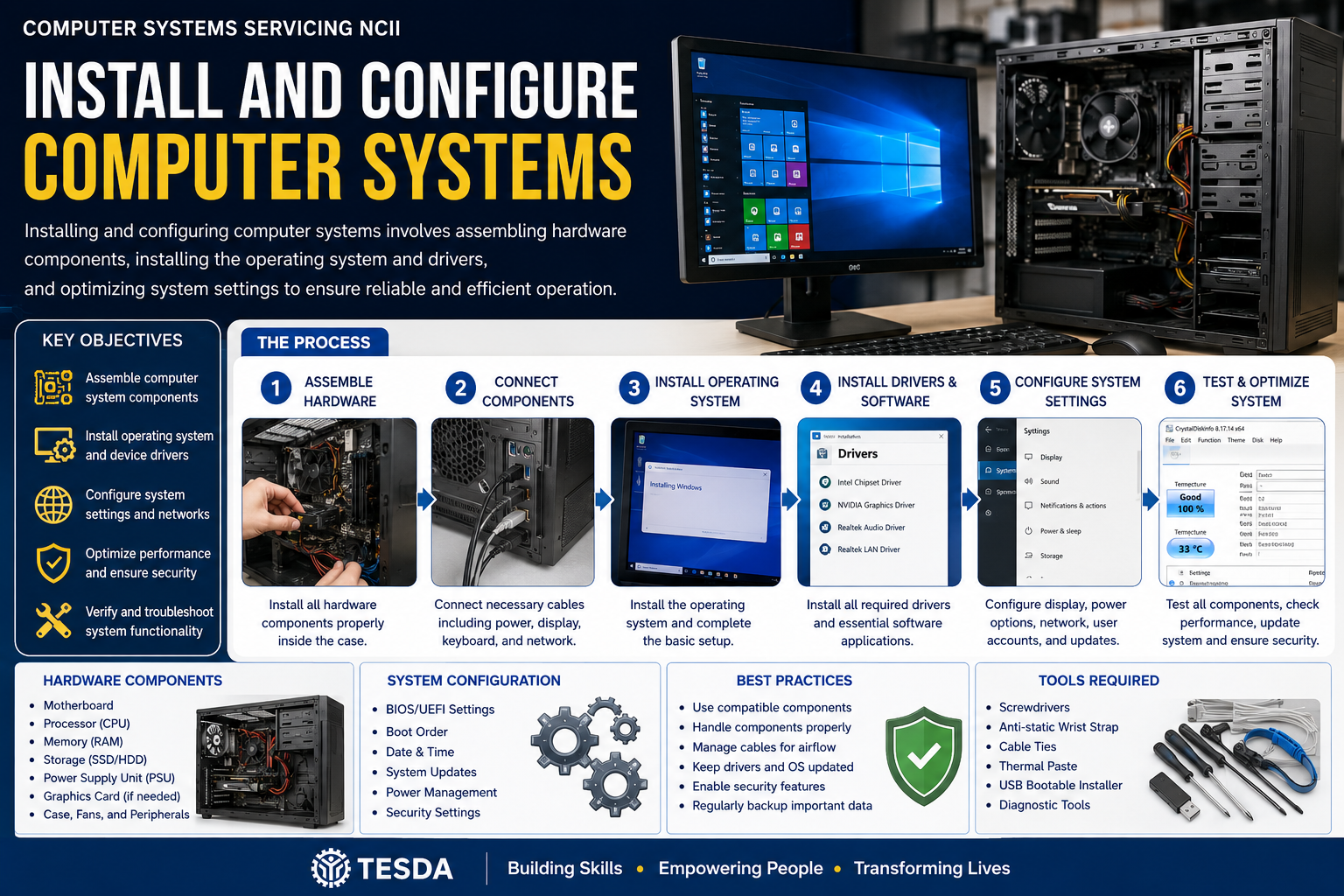
Install and Configure Computer Systems
This unit covers the outcomes required in installing and configuring desktop and workstation computers systems. It consists of competencies to assemble computer hardware, install operating system and drivers for peripherals/devices, and install application software as well as to conduct testing and documentation.
Assemble computer hardware
Read Lesson
Prepare installer
Read Lesson
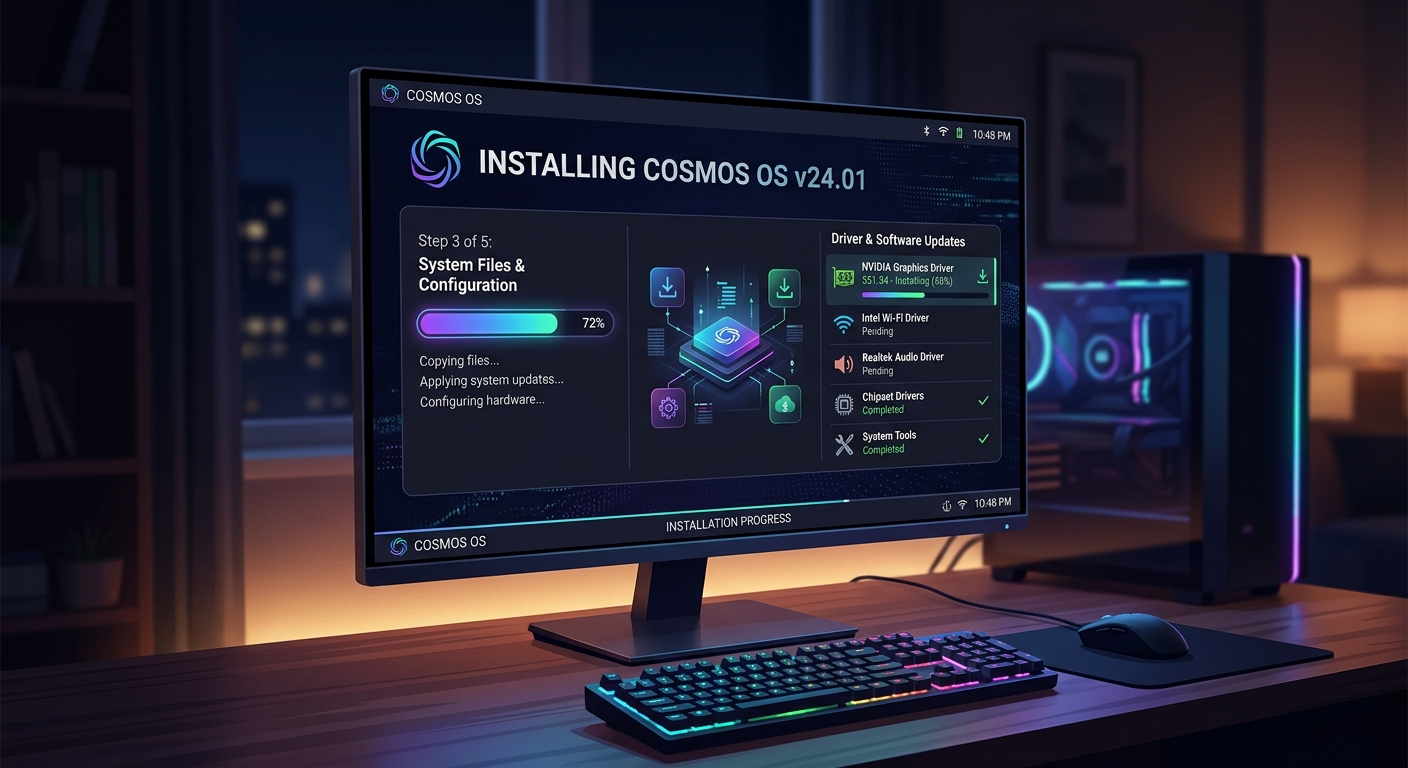
Install operating system and drivers for peripherals/devices
Read Lesson
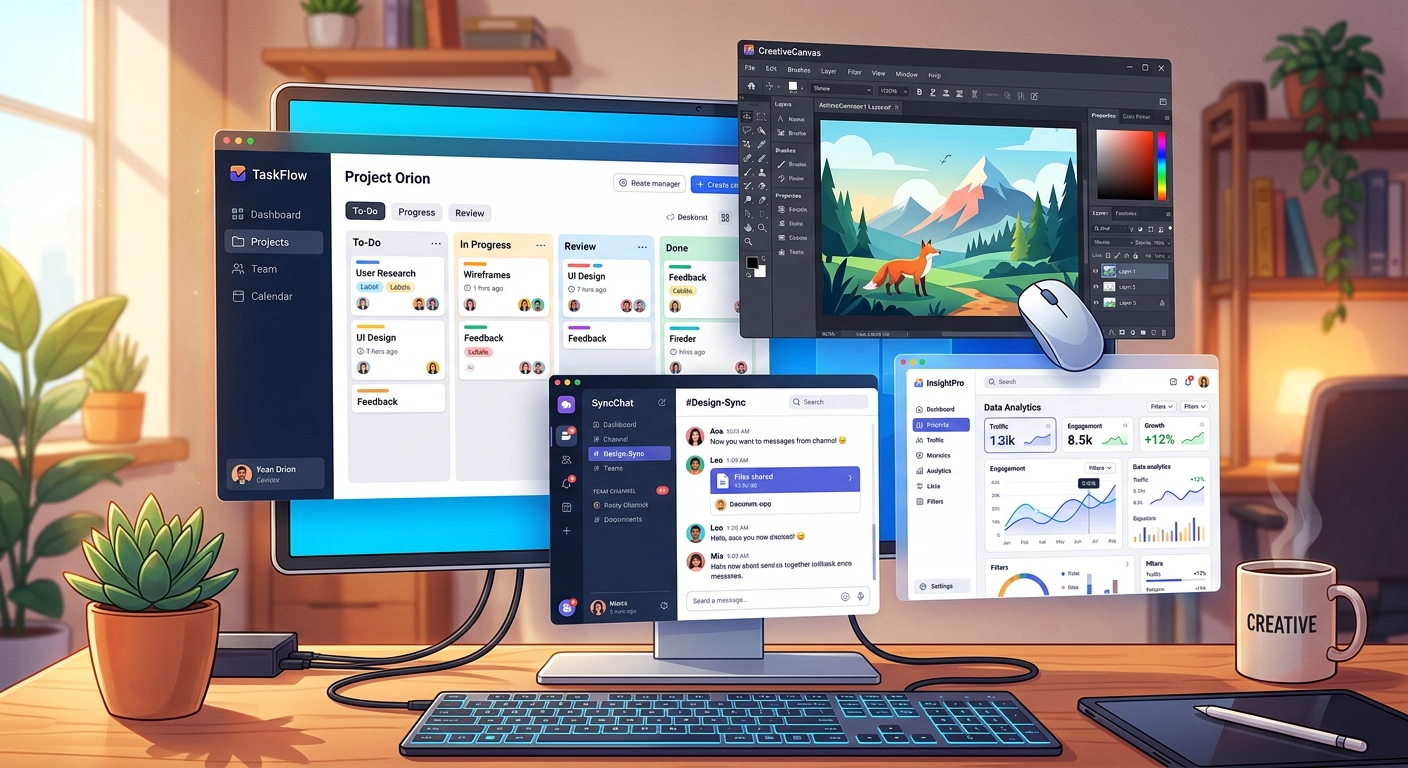
Install application software
Read Lesson
Computer as Information Transformation: From Analog to Digital Information
Relevance to Library and Information Science (LIS) Students In modern libraries and information centers, information exists in many forms. Traditionally, libraries managed analog information, such as printed books, newspapers, photographs, maps, manuscripts, and audio recordings. Today, these resources are increasingly converted into digital information to improve storage, access, preservation, and dissemination. Understanding how computers transform analog information into digital formats is essential for LIS students because librarians and information professionals are responsible for organizing, preserving, retrieving, and providing access to both traditional and digital resources.
Analog to Digital
Read Lesson
Innovation and Its Importance in Society
Innovation is the process of creating, improving, or applying new ideas, products, services, or methods that provide value to society.
Innovation and Its Importance in Society
Read Lesson

Information Processing & H
Information processing refers to the activities involved in collecting, organizing, classifying, storing, retrieving, and disseminating information for effective use. Together with information handling, it forms the foundation of efficient library and information center operations.
Information Processing and Handling
Read Lesson
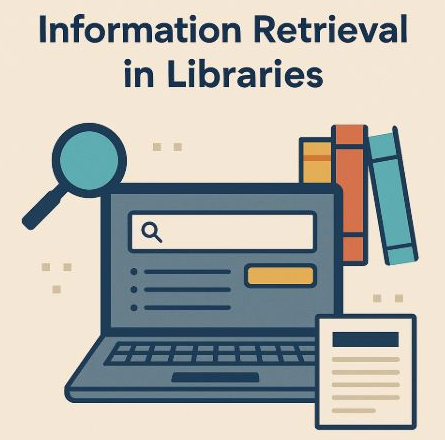
The Architecture and Evolution of Information Retrieval Systems
Read Lesson
Explain IoT Technologies
This educational material outlines the fundamental principles and architectures of the Internet of Things (IoT), focusing on how physical objects utilize sensors and internet connectivity to automate tasks. It details a four-step operational process involving data collection, transmission, cloud processing, and final action to enhance efficiency in various sectors.
No contents available.
Set-up Computer Networks
A computer network is a system of interconnected devices, such as computers, servers, smartphones, and printers, that communicate to exchange data. They communicate using wired or wireless connections and can range from small home networks to the global Internet.
Information Sheet 2.1
Read Lesson
IP Addressing
Read Lesson
Set network configuration
Read Lesson
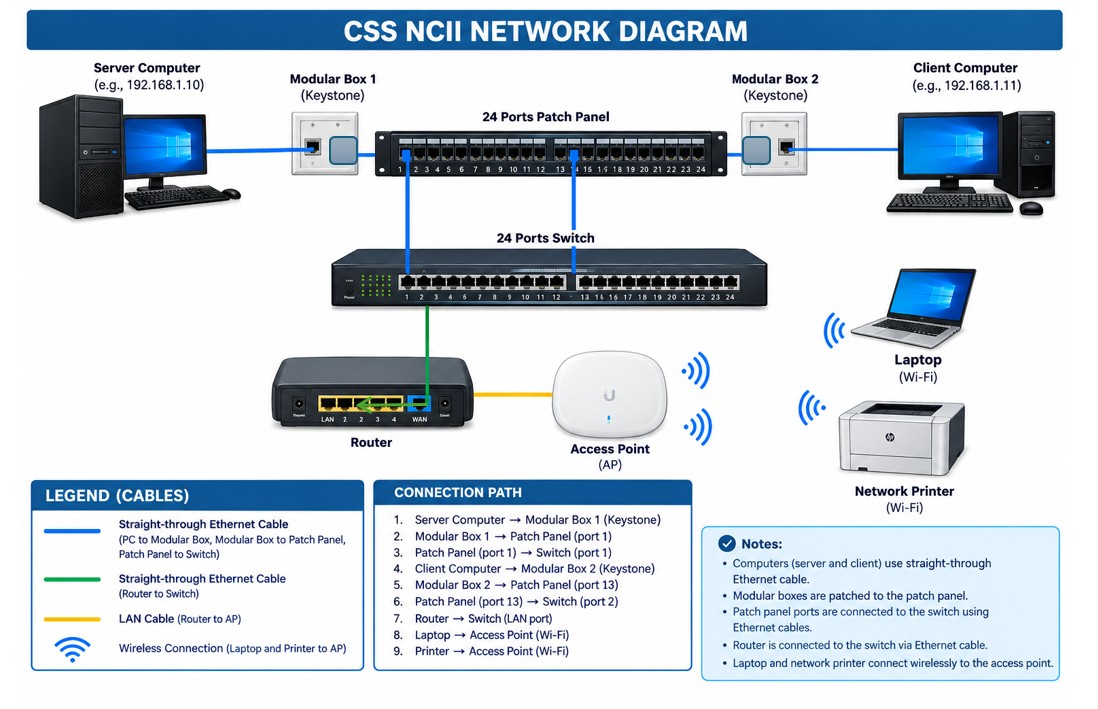
CSS NCII Actual Demonstration Reviewer
Actual Demonstration
Read Lesson