INFORMATION PROCESSING AND HANDLING IN LIBRARIES AND INFORMATION CENTERS
An introduction to the fundamental concepts, technologies, and methodologies used to manage the information cycle within modern libraries. It bridges human processes with automated systems to store, retrieve, and disseminate data efficiently.
2 module(s) available.
Analog to Digital
At the end of the lesson, students should be able to: Define analog and digital information. Explain how computers transform information from analog to digital form. Describe the importance of digitization in libraries and information centers. Identify technologies used in converting analog information into digital resources. Appreciate the role of information professionals in managing digital collections.
Read Lesson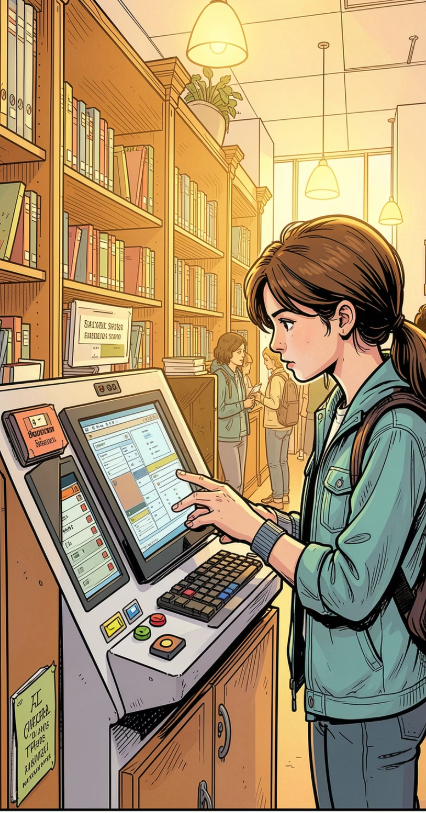
Information Processing and Handling
Information processing refers to the activities involved in collecting, organizing, classifying, storing, retrieving, and disseminating information for effective use. Together with information handling, it forms the foundation of efficient library and information center operations.
Read Lesson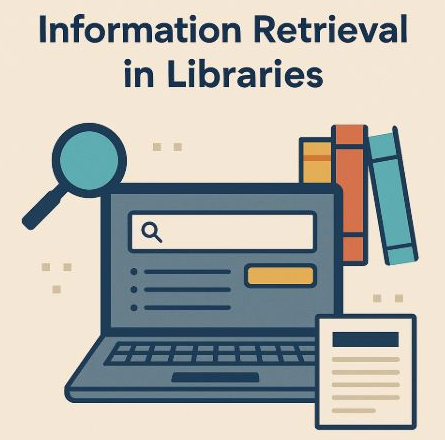
The Architecture and Evolution of Information Retrieval Systems
This educational material provides a comprehensive overview of Information Storage and Retrieval Systems (ISRS), detailing how data is organized, preserved, and accessed. It traces the technological evolution of storage, moving from ancient physical mediums like clay tablets to contemporary cloud-based digital solutions. The content identifies essential system components, including databases, indexing methods, and user interfaces, which work together to facilitate efficient searching.
Read Lesson